
Blog
Exploring the psychology behind casino gambling

The Allure of Gambling: Understanding the Appeal
The allure of casino gambling often lies in the thrill of uncertainty and the innate human desire for risk-taking. Many individuals find excitement in the unpredictable nature of games, which can offer the tantalizing potential of online pokies nz significant rewards. This psychological phenomenon taps into our primal instincts, as the unpredictability of outcomes stimulates the brain’s reward systems, releasing dopamine and creating feelings of pleasure and excitement. It is this thrill that lures people into casinos, hoping for a stroke of luck that could lead to life-changing wins.
The social environment within casinos also contributes to the allure of gambling. The sounds of slot machines, the cheers of winners, and the vibrant atmosphere create an immersive experience that can overshadow rational decision-making. For many, it transcends mere monetary gain; it’s about the experience and the euphoria that accompanies the act of playing. This social and sensory stimulation can lead individuals to gamble more than they originally intended, driven by the intoxicating energy of the environment.
Furthermore, casinos are designed to create an inviting space devoid of time constraints. The lack of windows and clocks can lead individuals to lose track of time, immersing them deeper into the gambling experience. This phenomenon of being ‘in the zone’ can lead to extended gambling sessions, often resulting in greater expenditure. The combination of sensory engagement and a distorted sense of time creates a powerful psychological pull that can keep gamblers coming back for more.
The Role of Cognitive Biases in Gambling
Cognitive biases play a significant role in how individuals perceive their chances of winning while gambling. One prevalent bias is the illusion of control, where players believe they can influence the outcome of games of chance. For instance, many gamblers feel that they can sway the roll of dice or the spin of a wheel through specific strategies or rituals, leading them to bet more aggressively. This misperception can cloud judgment, making it harder for players to recognize the inherent randomness of most casino games.
Another common cognitive bias is the gambler’s fallacy, where individuals assume that past events affect future outcomes in random sequences. For example, after a string of losses, a gambler might believe that a win is “due” and continue playing, increasing their bets in hopes of recouping losses. This fallacy can lead to a damaging cycle, reinforcing the notion that luck is a tangible force rather than a random occurrence, causing players to gamble even when it’s detrimental to their financial health.
Understanding these cognitive biases is crucial for addressing problematic gambling behaviors. By providing education and raising awareness about these psychological barriers, individuals may learn to approach gambling with a more rational mindset. Acknowledging the role of these biases not only empowers players to make informed decisions but also enhances the overall understanding of gambling behaviors among both casual players and those at risk of developing gambling addiction.
Gambling Addiction: A Psychological Perspective
Gambling addiction can be understood through various psychological lenses, often framed as a behavioral addiction similar to substance abuse. Individuals may initially engage in gambling for entertainment, but the psychological mechanisms can evolve into compulsive behaviors that prioritize gambling over other aspects of life. The excitement associated with winning can create a cycle of chasing losses, where players continue to gamble in desperation for the thrill that comes with a win, despite the negative consequences it may have on their lives.
The impact of gambling addiction extends beyond financial loss, affecting mental health, relationships, and overall well-being. Many individuals may experience anxiety, depression, or feelings of shame and isolation as a result of their gambling behavior. This reflects the need for comprehensive support systems, including therapy and counseling, to address both the addiction and the underlying psychological issues that contribute to it. Recognizing gambling addiction as a serious mental health concern paves the way for more effective interventions and treatment methods.
Moreover, the role of family and social structures cannot be underestimated in both the development and recovery from gambling addiction. Support from loved ones can play a crucial role in motivating individuals to seek help and make lifestyle changes. Similarly, community resources and supportive environments foster discussions around gambling addiction and encourage healthier recreational activities, ultimately contributing to a more informed and empathetic perspective on gambling behaviors.
The Impact of Technology on Gambling Behavior
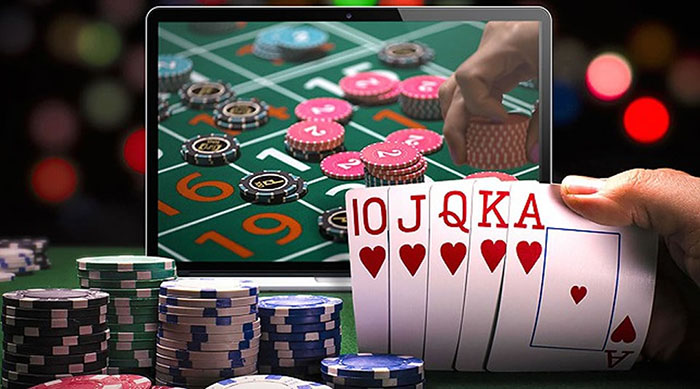
The rise of online gambling platforms has fundamentally changed how individuals engage with gambling, introducing elements that further complicate psychological interactions. The convenience of accessing games from home or mobile devices can facilitate excessive gambling, as players are less likely to perceive it as a problem when conducted in private. This shift has created a distinct psychological landscape where the boundaries of moderation can easily blur, leading to increased risks of addiction.

Moreover, technology has paved the way for innovative gaming experiences that heighten engagement through gamification. Elements such as rewards, levels, and instant gratification can encourage players to spend more time and money, exploiting the psychological desire for achievement. The continuous feedback loop created by such systems ensures that players remain invested, as they chase after the next reward or milestone, often disregarding the associated risks.
Therapeutic interventions in the context of online gambling must consider these technological influences, as they present new challenges for both players and mental health professionals. Education around the dangers of online gambling and promoting responsible gaming practices can counteract the effects of these technological advancements. By fostering awareness and providing resources, individuals can be better equipped to manage their gambling behavior, even within the increasingly immersive online landscape.
Conclusion: Understanding Casino Gambling Psychology
In summary, exploring the psychology behind casino gambling reveals a complex interplay of factors that drive individuals to engage in this high-stakes environment. From the thrill of uncertainty to cognitive biases and potential addiction, understanding these elements is essential for both players and mental health professionals. By recognizing the psychological mechanisms at play, individuals can approach gambling with a more informed perspective, reducing the chances of developing harmful habits.
The growing awareness of gambling addiction and its psychological underpinnings calls for support systems that address not only the behavior itself but also the emotional and psychological aspects involved. Both individuals and communities can benefit from continued education and open dialogue surrounding responsible gambling practices. Through such efforts, a healthier relationship with gambling can be cultivated, ensuring that it remains an enjoyable pastime rather than a destructive compulsion.
Additionally, numerous resources are available for individuals seeking information about responsible gambling. Websites dedicated to educating players about the risks associated with gambling, as well as offering support for those struggling with addiction, play a vital role in fostering a safer gambling environment. By promoting awareness and encouraging responsible practices, we can collectively work towards reducing the negative impacts of gambling and enhancing the overall gaming experience.